
Introduction
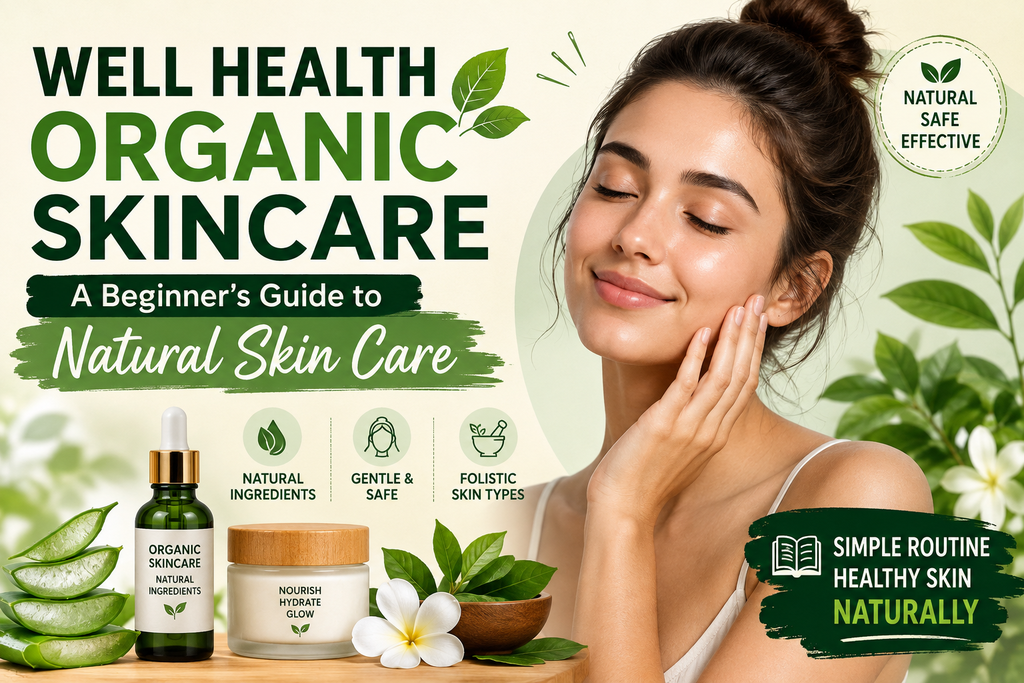
Skincare does not have to be complicated. For beginners, a simple routine with carefully selected ingredients can be a better starting point than using many products at once. WellHealthOrganic organic skincare focuses attention on natural and plant-based approaches to everyday skin care, while also encouraging people to understand what they apply to their skin.
The idea behind WellHealthOrganic organic skincare is especially interesting for people who want to explore natural beauty, botanical ingredients and simple skincare habits. However, “natural” does not automatically mean that a product will suit everyone. Your skin type, ingredients, formulation and individual sensitivity all matter.
In this guide, SkinHydrova explains WellHealthOrganic organic skincare, its potential benefits, useful ingredients, beginner-friendly routines and important mistakes to avoid.
What Is WellHealthOrganic Organic Skincare?
WellHealthOrganic organic skincare generally refers to a natural-focused approach to skincare that emphasizes plant-based ingredients, simple routines and holistic beauty habits. WellHealthOrganic’s own skincare content discusses organic ingredients, natural beauty and the difference between organic and conventional skincare.
Organic skincare may include ingredients such as:
- Aloe vera
- Green tea
- Neem
- Turmeric
- Rose water
- Plant oils
- Botanical extracts
- Antioxidant-rich ingredients
One important point for beginners is that organic, natural and chemical-free are not interchangeable terms. Everything in a cosmetic formula is made of chemicals, including naturally derived ingredients. What matters is whether the ingredient and finished formulation are suitable, properly formulated and appropriate for your skin.
Benefits of WellHealthOrganic Organic Skincare
A major reason people explore WellHealthOrganic organic skincare is the desire for a simpler and more nature-focused routine.
1. Plant-Based Ingredients
Many natural skincare formulas use botanical extracts and plant-derived ingredients. Depending on the ingredient and formulation, these can provide hydration, antioxidant properties or a soothing skincare experience.
2. Simple Skincare Routine
Purchasing too many items is a common mistake made by beginners. A natural skincare approach can encourage a more minimal routine.
A basic routine can include:
- Gentle cleanser
- Hydrating serum
- Moisturizer
- Sunscreen
3. Focus on Skin Health
Good skincare should not only be about making skin look brighter temporarily. Maintaining hydration and supporting the skin barrier are important parts of a healthy routine.
4. Sustainable Choices
Some organic skincare brands focus on responsible sourcing, recyclable packaging and environmentally conscious production. However, sustainability varies between brands, so consumers should check individual product and company claims.
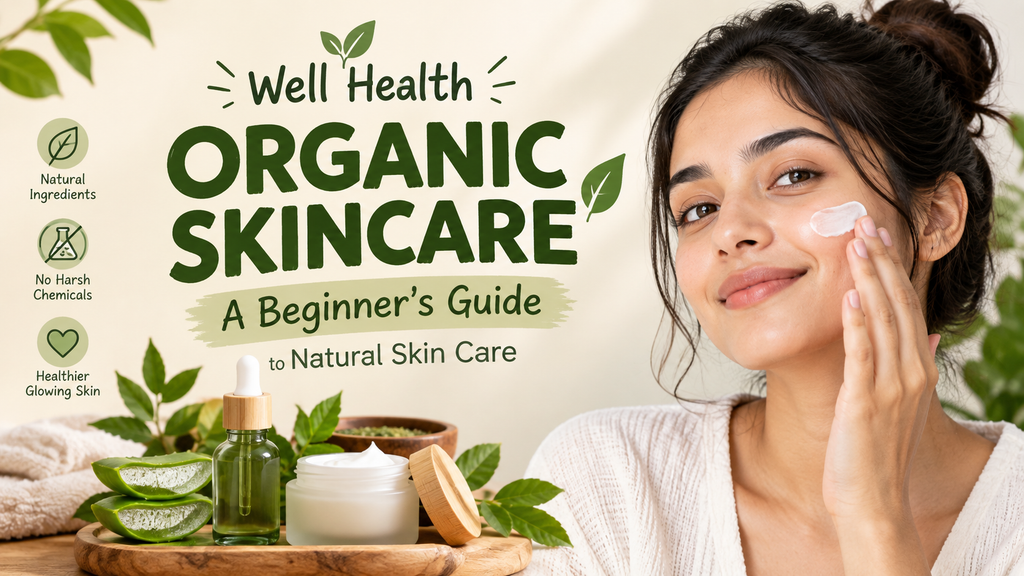
Well Health Organic Skincare
Best Natural Ingredients for Organic Skincare
Choosing ingredients according to your skin type is more useful than simply choosing a product because it says “organic.”
Aloe Vera
Aloe vera is widely used in skincare for its lightweight, soothing and hydrating feel. It can be particularly useful in products designed for skin that feels dry or uncomfortable.
Green Tea
Green tea contains antioxidant compounds and is commonly used in skincare formulations designed for oily or blemish-prone skin.
Neem
Neem has a long history of traditional use in Indian beauty practices. Today, neem extracts can be found in various cleansing and skincare products.
Turmeric
Turmeric is another traditional ingredient frequently associated with Indian skincare. Modern formulations may use turmeric extracts because of their antioxidant properties.
Jojoba Oil
Jojoba oil is commonly used in moisturizers and facial oils. Its lightweight texture makes it popular in products designed to support dry or dehydrated skin.
Rose Water
Rose water is frequently used in toners and facial mists. It can provide a refreshing skincare experience, although fragrance-sensitive users should still check the complete ingredient list.
WellHealthOrganic Organic Skincare Routine for Beginners
Creating a WellHealthOrganic organic skincare routine does not mean applying every natural ingredient you can find. Start with a few well-formulated products and introduce new products gradually.
Morning Routine
Step 1: Cleanse
Use a gentle cleanser to remove overnight oil and impurities. If your skin is very dry, an extremely gentle cleansing approach may be preferable.
Step 2: Hydrate
A lightweight hydrating serum can help support comfortable-looking skin.
Step 3: Moisturize
Choose a moisturizer according to your skin type. Oily skin can usually benefit from lightweight textures, while dry skin may prefer richer formulations.
Step 4: Sunscreen
Sunscreen is one of the most important parts of any skincare routine. Organic or natural-focused skincare does not replace sun protection.
Well Health Organic Skincare
Night Routine
At night, follow a simple routine:
- Cleanse your skin.
- Apply your chosen treatment or serum.
- Use moisturizer.
- Avoid introducing several new active ingredients simultaneously.
Consistency is generally more useful than constantly changing products.
Organic Skincare According to Skin Type
The best WellHealthOrganic organic skincare routine depends on your individual skin needs.
| Skin Type | Ingredients to Consider | Main Focus |
| Dry | Aloe vera, jojoba oil, shea butter | Hydration |
| Oily | Green tea, lightweight hydrators | Balance |
| Sensitive | Aloe, oat-based ingredients | Gentle care |
| Combination | Lightweight moisturizers | Balance |
| Normal | Antioxidant-rich botanicals | Maintenance |
Remember that an ingredient can work well for one person and irritate another. Always consider the complete formulation rather than focusing on one ingredient.
WellHealthOrganic Organic Skincare vs Conventional Skincare
People often ask whether WellHealthOrganic organic skincare is automatically better than conventional skincare. The answer is more complicated.
| Factor | Organic/Natural-Focused Skincare | Conventional Skincare |
| Ingredient focus | Often botanical or plant-derived | Natural and synthetic ingredients |
| Formulation | Depends on product | Depends on product |
| Sustainability | May emphasize sustainable sourcing | Varies by brand |
| Active ingredients | Can include botanical actives | Can include scientifically studied actives |
| Suitability | Depends on skin type | Depends on skin type |
The important lesson is that “organic” does not automatically mean “better,” just as “synthetic” does not automatically mean “bad.” Well-formulated skincare should be evaluated by its ingredients, concentration, formulation, safety and suitability for your skin.
Common Mistakes Beginners Should Avoid
When starting WellHealthOrganic organic skincare, avoid these common mistakes:
- Using too many products at once
- Changing your routine every few days
- Ignoring your skin type
- Skipping sunscreen
- Assuming every natural ingredient is safe for everyone
- Applying undiluted essential oils directly to the face
- Not checking the ingredient list
- Ignoring a patch test when experimenting with a new product
WellHealthOrganic also recommends patch testing new skincare products before fully incorporating them into a routine.
How to Choose Quality Organic Skincare Products
Not every product marketed as “natural” or “organic” is necessarily the same. When shopping for WellHealthOrganic organic skincare, pay attention to the following:
Check the Ingredient List
Look beyond the front label. The complete ingredient list provides much more useful information about a product.
Understand Certifications
If a product makes an organic claim, look for relevant certification information where applicable. Certification standards can help consumers distinguish specific organic claims from general marketing language.
Consider Your Skin Type
A product designed for dry skin may not be ideal for oily skin. Similarly, highly fragranced products may not be comfortable for people with sensitive skin.
Don’t Follow Every Trend
Social media can make a skincare ingredient look like a miracle solution overnight. Instead of following every trend, build a consistent routine around your actual skin needs.
A Simple Beginner Chart
Here is a quick way to think about your routine:
| Routine Stage | Product Type | Purpose |
| 1 | Cleanser | Remove dirt and excess oil |
| 2 | Serum | Target a specific skincare goal |
| 3 | Moisturizer | Support hydration |
| 4 | Sunscreen | Protect against UV exposure |
| 5 | Night treatment | Address selected concerns |
This simple structure makes WellHealthOrganic organic skincare easier to understand for someone who is completely new to skincare.
FAQ About WellHealthOrganic Organic Skincare
Is WellHealthOrganic organic skincare good for beginners?
It can be a useful concept for beginners who want to explore natural and plant-focused skincare. However, beginners should start with a simple routine and choose products based on their individual skin type.
Is organic skincare suitable for oily skin?
Yes. Oily skin can use products containing suitable botanical ingredients, but lightweight, non-comedogenic formulations may be more appropriate than heavy oils or creams.
Can organic skincare cause irritation?
Yes. Natural ingredients can still cause irritation or allergic reactions. Patch testing and checking the complete ingredient list are important.
Is natural skincare better than chemical skincare?
Not necessarily. Natural and synthetic ingredients can both have useful roles in skincare. The quality of the formulation and its suitability for your skin are more important than whether an ingredient is simply labeled natural.
How often should I use organic skincare?
A basic routine can usually be followed consistently every morning and evening. However, treatment products may have different usage instructions, so follow the product label.
Do I still need sunscreen with organic skincare?
Yes. Choosing natural or organic-focused products does not eliminate the need for sun protection. Sunscreen should remain an important part of a daytime skincare routine.
Can beginners use several organic skincare products together?
It is better to introduce products gradually. Starting with too many products makes it difficult to know which product is helping or causing irritation.
Conclusion
WellHealthOrganic organic skincare offers an interesting approach for people who prefer natural ingredients and simpler beauty routines. From aloe vera and green tea to botanical extracts and plant oils, there are many ingredients to explore.
However, effective skincare is not about choosing the product with the most attractive “organic” label. It is about understanding your skin, reading ingredient lists, choosing appropriate formulations and maintaining a consistent routine.
For beginners, keep things simple: cleanse, hydrate, moisturize and protect your skin from the sun. As you understand your skin better, you can gradually introduce targeted products.
At SkinHydrova, our goal is to make skincare easier to understand so beginners can make informed choices and build routines that fit their individual skin needs.
WellHealthOrganic Organic Skincare: A Beginner’s Guide to Natural Skin Care
Introduction
Skincare does not have to be complicated. For beginners, a simple routine with carefully selected ingredients can be a better starting point than using many products at once. WellHealthOrganic organic skincare focuses attention on natural and plant-based approaches to everyday skin care, while also encouraging people to understand what they apply to their skin.
The idea behind WellHealthOrganic organic skincare is especially interesting for people who want to explore natural beauty, botanical ingredients and simple skincare habits. However, “natural” does not automatically mean that a product will suit everyone. Your skin type, ingredients, formulation and individual sensitivity all matter.
In this guide, SkinHydrova explains WellHealthOrganic organic skincare, its potential benefits, useful ingredients, beginner-friendly routines and important mistakes to avoid.
What Is WellHealthOrganic Organic Skincare?
WellHealthOrganic organic skincare generally refers to a natural-focused approach to skincare that emphasizes plant-based ingredients, simple routines and holistic beauty habits. WellHealthOrganic’s own skincare content discusses organic ingredients, natural beauty and the difference between organic and conventional skincare.
Organic skincare may include ingredients such as:
- Aloe vera
- Green tea
- Neem
- Turmeric
- Rose water
- Plant oils
- Botanical extracts
- Antioxidant-rich ingredients
One important point for beginners is that organic, natural and chemical-free are not interchangeable terms. Everything in a cosmetic formula is made of chemicals, including naturally derived ingredients. What matters is whether the ingredient and finished formulation are suitable, properly formulated and appropriate for your skin.
Benefits of WellHealthOrganic Organic Skincare
A major reason people explore WellHealthOrganic organic skincare is the desire for a simpler and more nature-focused routine.
1. Plant-Based Ingredients
Many natural skincare formulas use botanical extracts and plant-derived ingredients. Depending on the ingredient and formulation, these can provide hydration, antioxidant properties or a soothing skincare experience.
2. Simple Skincare Routine
Purchasing too many items is a common mistake made by beginners. A natural skincare approach can encourage a more minimal routine.
A basic routine can include:
- Gentle cleanser
- Hydrating serum
- Moisturizer
- Sunscreen
3. Focus on Skin Health
Good skincare should not only be about making skin look brighter temporarily. Maintaining hydration and supporting the skin barrier are important parts of a healthy routine.
4. Sustainable Choices
Some organic skincare brands focus on responsible sourcing, recyclable packaging and environmentally conscious production. However, sustainability varies between brands, so consumers should check individual product and company claims.
Best Natural Ingredients for Organic Skincare
Choosing ingredients according to your skin type is more useful than simply choosing a product because it says “organic.”
Aloe Vera
Aloe vera is widely used in skincare for its lightweight, soothing and hydrating feel. It can be particularly useful in products designed for skin that feels dry or uncomfortable.
Green Tea
Green tea contains antioxidant compounds and is commonly used in skincare formulations designed for oily or blemish-prone skin.
Neem
Neem has a long history of traditional use in Indian beauty practices. Today, neem extracts can be found in various cleansing and skincare products.
Turmeric
Turmeric is another traditional ingredient frequently associated with Indian skincare. Modern formulations may use turmeric extracts because of their antioxidant properties.
Jojoba Oil
Jojoba oil is commonly used in moisturizers and facial oils. Its lightweight texture makes it popular in products designed to support dry or dehydrated skin.
Rose Water
Rose water is frequently used in toners and facial mists. It can provide a refreshing skincare experience, although fragrance-sensitive users should still check the complete ingredient list.
WellHealthOrganic Organic Skincare Routine for Beginners
Creating a WellHealthOrganic organic skincare routine does not mean applying every natural ingredient you can find. Start with a few well-formulated products and introduce new products gradually.
Morning Routine
Step 1: Cleanse
Use a gentle cleanser to remove overnight oil and impurities. If your skin is very dry, an extremely gentle cleansing approach may be preferable.
Step 2: Hydrate
A lightweight hydrating serum can help support comfortable-looking skin.
Step 3: Moisturize
Choose a moisturizer according to your skin type. Oily skin can usually benefit from lightweight textures, while dry skin may prefer richer formulations.
Step 4: Sunscreen
Sunscreen is one of the most important parts of any skincare routine. Organic or natural-focused skincare does not replace sun protection.
Night Routine
At night, follow a simple routine:
- Cleanse your skin.
- Apply your chosen treatment or serum.
- Use moisturizer.
- Avoid introducing several new active ingredients simultaneously.
Consistency is generally more useful than constantly changing products.
Organic Skincare According to Skin Type
The best WellHealthOrganic organic skincare routine depends on your individual skin needs.
| Skin Type | Ingredients to Consider | Main Focus |
| Dry | Aloe vera, jojoba oil, shea butter | Hydration |
| Oily | Green tea, lightweight hydrators | Balance |
| Sensitive | Aloe, oat-based ingredients | Gentle care |
| Combination | Lightweight moisturizers | Balance |
| Normal | Antioxidant-rich botanicals | Maintenance |
Remember that an ingredient can work well for one person and irritate another. Always consider the complete formulation rather than focusing on one ingredient.
WellHealthOrganic Organic Skincare vs Conventional Skincare
People often ask whether WellHealthOrganic organic skincare is automatically better than conventional skincare. The answer is more complicated.
| Factor | Organic/Natural-Focused Skincare | Conventional Skincare |
| Ingredient focus | Often botanical or plant-derived | Natural and synthetic ingredients |
| Formulation | Depends on product | Depends on product |
| Sustainability | May emphasize sustainable sourcing | Varies by brand |
| Active ingredients | Can include botanical actives | Can include scientifically studied actives |
| Suitability | Depends on skin type | Depends on skin type |
The important lesson is that “organic” does not automatically mean “better,” just as “synthetic” does not automatically mean “bad.” Well-formulated skincare should be evaluated by its ingredients, concentration, formulation, safety and suitability for your skin.
Common Mistakes Beginners Should Avoid
When starting WellHealthOrganic organic skincare, avoid these common mistakes:
- Using too many products at once
- Changing your routine every few days
- Ignoring your skin type
- Skipping sunscreen
- Assuming every natural ingredient is safe for everyone
- Applying undiluted essential oils directly to the face
- Not checking the ingredient list
- Ignoring a patch test when experimenting with a new product
WellHealthOrganic also recommends patch testing new skincare products before fully incorporating them into a routine.
How to Choose Quality Organic Skincare Products
Not every product marketed as “natural” or “organic” is necessarily the same. When shopping for WellHealthOrganic organic skincare, pay attention to the following:
Check the Ingredient List
Look beyond the front label. The complete ingredient list provides much more useful information about a product.
Understand Certifications
If a product makes an organic claim, look for relevant certification information where applicable. Certification standards can help consumers distinguish specific organic claims from general marketing language.
Consider Your Skin Type
A product designed for dry skin may not be ideal for oily skin. Similarly, highly fragranced products may not be comfortable for people with sensitive skin.
Don’t Follow Every Trend
Social media can make a skincare ingredient look like a miracle solution overnight. Instead of following every trend, build a consistent routine around your actual skin needs.
A Simple Beginner Chart
Here is a quick way to think about your routine:
| Routine Stage | Product Type | Purpose |
| 1 | Cleanser | Remove dirt and excess oil |
| 2 | Serum | Target a specific skincare goal |
| 3 | Moisturizer | Support hydration |
| 4 | Sunscreen | Protect against UV exposure |
| 5 | Night treatment | Address selected concerns |
This simple structure makes WellHealthOrganic organic skincare easier to understand for someone who is completely new to skincare.
FAQ About WellHealthOrganic Organic Skincare
Is WellHealthOrganic organic skincare good for beginners?
It can be a useful concept for beginners who want to explore natural and plant-focused skincare. However, beginners should start with a simple routine and choose products based on their individual skin type.
Is organic skincare suitable for oily skin?
Yes. Oily skin can use products containing suitable botanical ingredients, but lightweight, non-comedogenic formulations may be more appropriate than heavy oils or creams.
Can organic skincare cause irritation?
Yes. Natural ingredients can still cause irritation or allergic reactions. Patch testing and checking the complete ingredient list are important.
Is natural skincare better than chemical skincare?
Not necessarily. Natural and synthetic ingredients can both have useful roles in skincare. The quality of the formulation and its suitability for your skin are more important than whether an ingredient is simply labeled natural.
How often should I use organic skincare?
A basic routine can usually be followed consistently every morning and evening. However, treatment products may have different usage instructions, so follow the product label.
Do I still need sunscreen with organic skincare?
Yes. Choosing natural or organic-focused products does not eliminate the need for sun protection. Sunscreen should remain an important part of a daytime skincare routine.
Can beginners use several organic skincare products together?
It is better to introduce products gradually. Starting with too many products makes it difficult to know which product is helping or causing irritation.
Conclusion
WellHealthOrganic organic skincare offers an interesting approach for people who prefer natural ingredients and simpler beauty routines. From aloe vera and green tea to botanical extracts and plant oils, there are many ingredients to explore.
However, effective skincare is not about choosing the product with the most attractive “organic” label. It is about understanding your skin, reading ingredient lists, choosing appropriate formulations and maintaining a consistent routine.
For beginners, keep things simple: cleanse, hydrate, moisturize and protect your skin from the sun. As you understand your skin better, you can gradually introduce targeted products.
At SkinHydrova, our goal is to make skincare easier to understand so beginners can make informed choices and build routines that fit their individual skin needs.