Uncategorized

Skincare Pouch: A Simple Guide
Uncategorized

Skincare Pouch: A Simple Guide

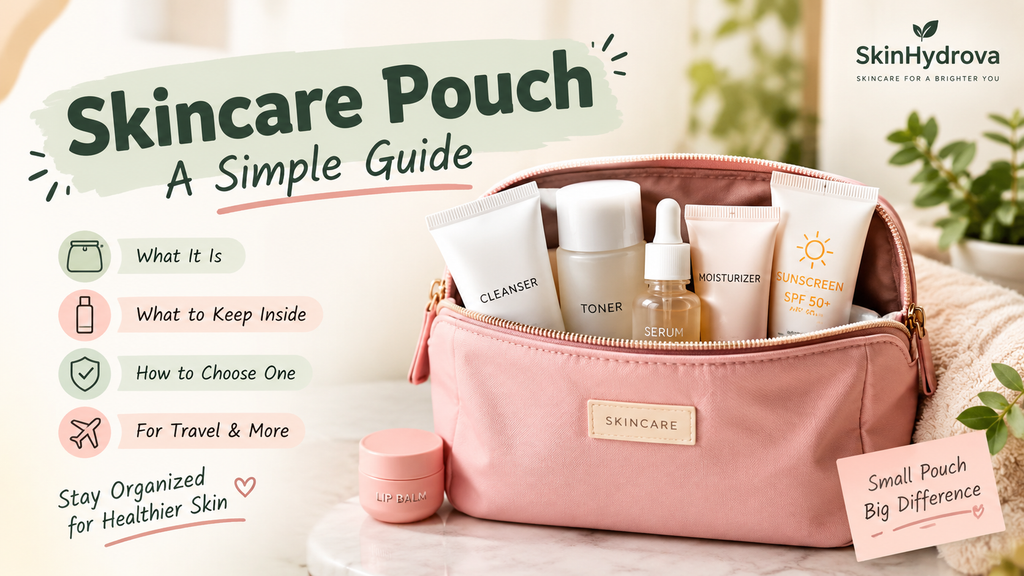
Skincare Pouch: A Simple Guide Introduction A skincare pouch is a simple and convenient way to keep your skincare products organized, protected, and easy to carry. Whether you follow a basic three-step routine or have several skincare products, a good skincare pouch can make your routine much easier. For beginners, skincare can sometimes feel confusing because there are many cleansers, serums, moisturizers, sunscreens, and other products available. Instead of keeping everything scattered around your room or bathroom, a skincare pouch gives your essential products one dedicated place. At SkinHydrova, we believe skincare should be simple and easy to understand. A well-organized skincare pouch can help beginners stay consistent with their routine without carrying unnecessary products. What Is a Skincare Pouch? A skincare pouch is a small storage bag designed to hold skincare products and personal-care essentials. It can be used at home, while travelling, at college, at work, or during short trips. Unlike an ordinary bag, a skincare pouch is usually designed with features that make storing skincare products easier. Common features include: The main purpose of a skincare pouch is organization. Instead of searching through a large bag for your sunscreen or moisturizer, you can keep your everyday products together. Why Should You Use a Skincare Pouch? A skincare pouch is useful for people who want a cleaner and more organized skincare routine. 1. Keeps Products Organized A skincare routine can include several products. Keeping them together makes it easier to find what you need. 2. Makes Travel Easier When travelling, you do not need to carry a large cosmetic bag. A compact skincare pouch can hold your essential products in one place. 3. Protects Your Products A good pouch can help protect bottles and tubes from scratches, spills, and accidental damage inside your luggage. 4. Saves Time When your skincare products are organized, you can quickly follow your morning and evening routine. 5. Helps Avoid Overpacking A skincare pouch can encourage you to carry only the products you actually need. Skincare Pouch: A Simple Guide What Should You Keep Inside a Skincare Pouch? You do not need to fill your skincare pouch with every skincare product you own. Beginners should focus on the basic essentials first. Here are some useful products to consider: Your exact products should depend on your skin type and personal routine. More products do not automatically mean better skincare. Skincare Pouch Essentials Chart Product Main Purpose Typical Routine Cleanser Removes dirt and excess oil Morning & evening Moisturizer Helps maintain skin hydration Morning & evening Sunscreen Helps protect skin from UV exposure Morning/daytime Serum Targets a specific skincare concern Depends on product Lip Balm Helps keep lips comfortable As needed This simple chart can help beginners decide what deserves space in their skincare pouch. How to Choose the Right Skincare Pouch Not every skincare pouch is suitable for everyone. Before buying one, consider your routine and lifestyle. Size Choose a pouch according to the number of products you normally use. A small pouch is convenient for a basic routine, while a larger one may be better for travel. Material Look for a material that is durable and easy to clean. A water-resistant interior can also be helpful if a product accidentally leaks. Compartments Multiple compartments can make organization easier. Small sections are useful for lip balm, small bottles, or other accessories. Zipper Quality A strong zipper can help prevent your products from accidentally falling out of the pouch. Portability If you regularly travel, attend college, or go to work, choose a lightweight skincare pouch that fits easily into your backpack or luggage. Best Skincare Pouch for Different Skin Types Your skincare pouch itself does not determine your skin type. Instead, the products you carry inside it should suit your skin’s needs. Oily Skin People with oily skin may prefer lightweight skincare products that do not feel excessively heavy. Possible essentials include: Dry Skin Dry skin may benefit from products focused on maintaining hydration. A basic pouch could contain: Combination Skin Combination skin can have both oily and dry areas. Keep your routine simple and choose products according to how your skin behaves. Sensitive Skin For sensitive skin, beginners should avoid filling their skincare pouch with numerous new products at once. Keeping a simple routine can make it easier to understand how your skin responds. If you have persistent or severe skin problems, consider speaking with a qualified dermatologist rather than changing multiple products yourself. Skincare Pouch for Travel A skincare pouch becomes especially useful when travelling. Instead of carrying full-sized bottles, consider travel-sized containers where appropriate. Make sure containers are properly closed before putting them inside your luggage. Travel Packing Checklist Keep liquid products upright whenever possible and place leak-prone items in a separate sealed bag. The goal is not to take your entire bathroom with you. A good skincare pouch should contain the essentials you are actually going to use. How to Organize Your Skincare Pouch Good organization can make your skincare routine faster. Try dividing your skincare pouch into three simple groups: Daily essentials Treatment products Small accessories Put frequently used products where they are easy to reach. Keep bottles tightly closed and clean the inside of your skincare pouch regularly. Skincare Pouch vs Cosmetic Bag Although they may look similar, their purpose can be slightly different. Feature Skincare Pouch Cosmetic Bag Main use Skincare products Makeup/cosmetics Typical products Cleanser, serum, moisturizer, sunscreen Foundation, lipstick, powder Organization Often designed around bottles and tubes Often designed around makeup items Travel use Yes Yes Cleaning Important because of liquid products Important because of makeup residue You can also use one bag for both skincare and cosmetics if it has enough space and can be cleaned easily. Skincare Pouch for a Skincare Website If you run a skincare website such as SkinHydrova, a skincare pouch can also be presented as a useful product category or bundle. For example, an online skincare store could create a beginner-friendly skincare kit containing: This can make it easier
Uncategorized

Hyaluronic acid

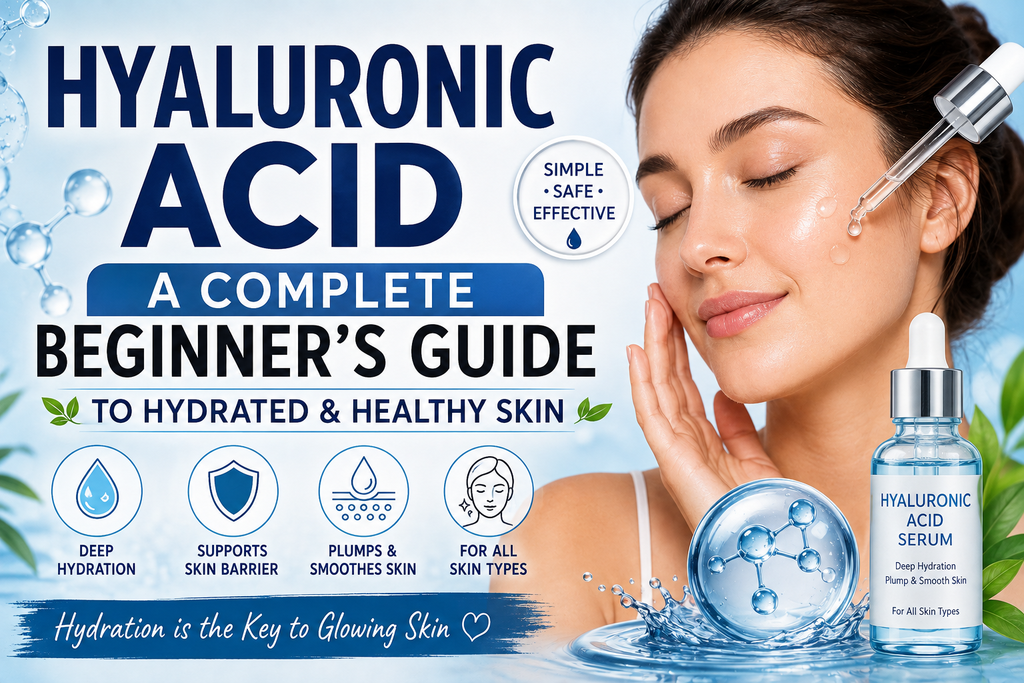
Hyaluronic Acid: A Complete Beginner’s Guide to Hydrated and Healthy Skin Introduction Hyaluronic Acid is one of the most popular ingredients in modern skincare, especially for people who want soft, smooth, and hydrated-looking skin. It is commonly found in serums, moisturizers, creams, and other skincare products. Unlike exfoliating acids such as glycolic acid or salicylic acid, Hyaluronic Acid is primarily known as a humectant that helps attract and retain water in the skin. Research supports its role in improving skin hydration and overall skin appearance when used topically. In this beginner-friendly guide, you will learn: What Is Hyaluronic Acid? Hyaluronic Acid is a naturally occurring substance found in the human body, including the skin. It has a strong ability to hold water, which is why it is widely used as a moisturizing ingredient in skincare products. In skincare, Hyaluronic Acid works mainly as a humectant. This means it helps attract and retain water around the skin’s surface. It is important to understand that Hyaluronic Acid is not primarily an exfoliating ingredient. Instead, its main purpose is to support hydration and give skin a more comfortable, smooth, and plump-looking appearance. Hyaluronic Acid vs. Harsh Active Ingredients Hyaluronic Acid Strong Active Ingredients Mainly supports hydration Often target specific skin concerns Usually gentle May cause irritation in some people Common in serums and moisturizers Often used in treatment products Helps improve skin moisture May exfoliate or increase cell turnover Beginner-friendly May require slower introduction Why Is Hyaluronic Acid Important? Healthy-looking skin needs adequate hydration. When the skin becomes dry or dehydrated, it may look dull, rough, or uncomfortable. Hyaluronic Acid can help increase the water content of the skin, making it a useful ingredient for maintaining a hydrated appearance. Studies of topical Hyaluronic Acid products have reported improvements in skin hydration, smoothness, and plumping. Potential Benefits of Hyaluronic Acid A clinical study of a topical Hyaluronic Acid serum found significant improvements in measured skin hydration along with improvements in smoothness and plumping during the study period. Hyaluronic Acid: A Complete Beginner’s Guide to Hydrated and Healthy Skin Signs That Your Skin May Need More Hydration Not every skin concern is caused by dehydration, but several common signs may suggest that your skin could benefit from more moisture. Common Signs of Dehydrated Skin Dehydrated skin can occur in different skin types, including oily skin. This is why oily skin can still benefit from a lightweight hydrating product containing Hyaluronic Acid. Hyaluronic Acid Skincare Routine for Beginners A simple routine is usually easier for beginners to maintain. Hyaluronic Acid can be added to both morning and evening skincare routines. Step 1: Use a Gentle Cleanser Start with a gentle cleanser to remove sweat, dirt, sunscreen, and excess oil. Avoid cleansing too aggressively because over-cleansing may leave your skin feeling dry and uncomfortable. Look for: Cleanse your face according to your skin’s needs rather than repeatedly washing throughout the day. Step 2: Apply Hyaluronic Acid After cleansing, apply your Hyaluronic Acid serum or hydrating product. A useful beginner approach is to apply it to slightly damp skin, followed by a moisturizer. This helps create a simple hydration-focused routine. Basic order: Cleanser → Hyaluronic Acid → Moisturizer Step 3: Use a Moisturizer Hyaluronic Acid adds hydration, but a moisturizer can help support that hydration by adding emollient and barrier-supporting ingredients. Choose your moisturizer based on your skin type. Step 4: Apply Sunscreen During the morning, finish your routine with sunscreen. Daily sun protection is an important part of maintaining healthy-looking skin. Your Hyaluronic Acid serum should not be considered a replacement for sunscreen. Step 5: Keep Exfoliation Moderate Hyaluronic Acid is not an exfoliant, so it can be useful when your routine already contains exfoliating ingredients. However, using too many strong active products at once can make your routine unnecessarily complicated. A simple routine is often easier to manage: Cleanser → Hydrating product → Treatment, when needed → Moisturizer → Sunscreen Hyaluronic Acid: A Complete Beginner’s Guide to Hydrated and Healthy Skin Best Ingredients to Use With Hyaluronic Acid Hyaluronic Acid can easily fit into many skincare routines. Here is a useful ingredient chart for beginners: Ingredient Main Benefit Works Well With Hyaluronic Acid Glycerin Hydration Yes Ceramides Skin barrier support Yes Panthenol Soothing and hydration Yes Niacinamide Supports skin appearance and barrier Yes Squalane Moisturization Yes Vitamin C Antioxidant support Yes Peptides Skin-conditioning support Yes Salicylic Acid Exfoliation Can be combined carefully Retinoids Skin renewal Can be combined with hydration support Using Hyaluronic Acid alongside moisturizing and barrier-supporting ingredients can make a routine more hydration-focused and comfortable. Different forms and molecular weights of Hyaluronic Acid are used in cosmetic formulations, with different effects on the skin surface and deeper layers. Hyaluronic Acid According to Your Skin Type Dry Skin Dry skin often benefits from a combination of hydration and moisturization. Try: Hyaluronic Acid can help increase hydration, while a moisturizer helps support comfortable, moisturized skin. Oily Skin Oily skin can still become dehydrated. Instead of avoiding hydration completely, choose lightweight products. Try: Combination Skin Combination skin benefits from balance. Use lightweight hydrating products and adjust your moisturizer based on which areas feel dry or oily. Sensitive Skin Sensitive skin often benefits from a simple routine with fewer unnecessary ingredients. Look for: Introduce new products one at a time and monitor how your skin responds. Morning vs. Night Hyaluronic Acid Routine Morning Night Gentle Cleanser Gentle Cleanser Hyaluronic Acid Hyaluronic Acid Moisturizer Moisturizer Sunscreen — You do not necessarily need a complicated routine to benefit from Hyaluronic Acid. Consistency is often more useful than using many products at once. Common Hyaluronic Acid Skincare Mistakes to Avoid Even a gentle ingredient can be used incorrectly. Avoid these common mistakes: Remember that hydration is only one part of skincare. Acne, pigmentation, irritation, and other concerns may require different ingredients or professional guidance. Hyaluronic Acid Tips for Beginners If you are new to Hyaluronic Acid, start with a straightforward routine. Simple Tips The goal is not to use the

Uncategorized

Gentle

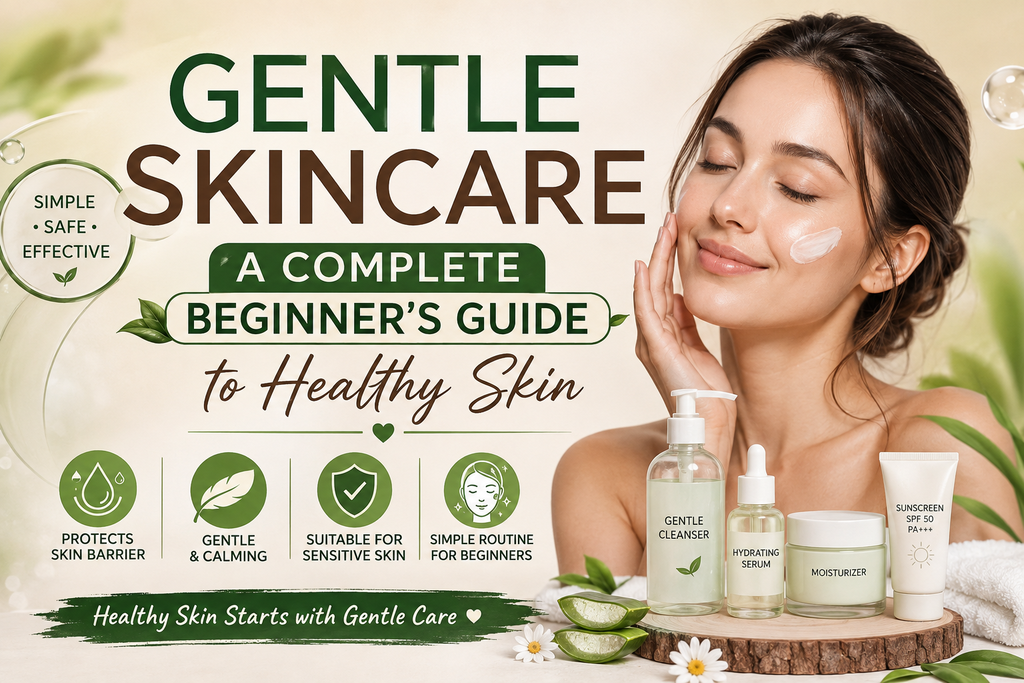
Gentle Skincare: A Complete Beginner’s Guide to Healthy Skin Gentle Skincare: A Complete Beginner’s Guide to Healthy Skin Introduction What Is Gentle Skincare? Why Is Gentle Skincare Important? Signs That Your Skincare Routine May Be Too Harsh Gentle Skincare Routine for Beginners Step 1: Use a Gentle Cleanser Step 2: Add Hydration Step 3: Use a Gentle Moisturizer Step 4: Apply Sunscreen Step 5: Keep Exfoliation Moderate Best Ingredients for Gentle Skincare Ingredient Main Benefit Best For Glycerin Supports hydration Most skin types Hyaluronic Acid Hydration Most skin types Ceramides Skin barrier support Dry/sensitive skin Panthenol Soothing and hydration Sensitive skin Squalane Moisturization Dry/combination skin Aloe Vera Soothing hydration Many skin types Gentle Skincare: A Complete Beginner’s Guide to Healthy Skin Gentle Skincare According to Your Skin Type Dry Skin Oily Skin Combination Skin Sensitive Skin Morning vs Night Gentle Skincare Routine Morning Night Gentle Cleanser Gentle Cleanser Hydrating Product Hydrating Product Moisturizer Moisturizer Sunscreen — Common Gentle Skincare Mistakes to Avoid Gentle Skincare Tips for Beginners How SkinHydrova Can Help Frequently Asked Questions Gentle Skincare: A Complete Beginner’s Guide to Healthy Skin Conclusion

Thumbnail for Skincare for Winters:
Uncategorized

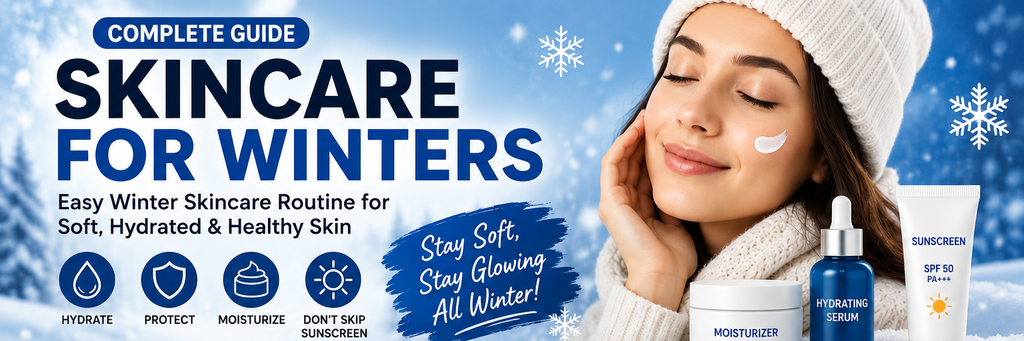
Skincare for Winters: A Complete Beginner’s Guide to Healthy Winter Skin

Skincare for Winters: A Complete Beginner’s Guide to Healthy Winter Skin Introduction Winter can be beautiful and refreshing, but cold weather can be challenging for your skin. Low humidity, cold winds, indoor heating, and hot showers can make your skin feel dry, rough, tight, and uncomfortable. That is why having a simple skincare routine for winter is important. You do not need dozens of products to take care of your skin. A few well-chosen products and consistent daily habits can help maintain soft, hydrated, and healthy-looking skin throughout the colder months. In this beginner-friendly guide, we will explain how to build an easy winter skincare routine, which ingredients to look for, common mistakes to avoid, and how to choose products according to your skin type. Why Is Skincare for Winters Important? Cold weather can affect the skin’s natural moisture balance. When the air becomes drier, your skin may lose moisture more easily. This can lead to common problems such as: A proper winter skincare routine focuses on keeping the skin hydrated, supporting the skin barrier, and protecting it from environmental stress. The most important winter skincare goals are: Common Winter Skin Problems Winter skin problems can affect people with all skin types. However, people with naturally dry or sensitive skin may notice them more strongly. Dry and Flaky Skin Dry skin may appear rough, tight, or flaky. The skin can also feel uncomfortable after cleansing. Using a suitable moisturizer regularly can help improve skin comfort. Chapped Lips Cold air can make lips dry and cracked. A nourishing lip balm can help keep your lips comfortable. Rough Skin The skin on your hands, elbows, knees, and feet may become especially rough during winter. Using a body moisturizer can help maintain softer skin. Dull-Looking Skin Dry skin can sometimes make your complexion appear less fresh. Proper hydration and consistent skincare can help improve the appearance of the skin. Skincare for Winters Skincare for Winters: A Complete Beginner’s Guide to Healthy Winter Skin Skincare for Winters Routine for Beginners A beginner does not need a complicated routine. A basic routine can include four main steps: cleansing, hydration, moisturizing, and sun protection. Step 1: Use a Gentle Cleanser The first step in your skincare routine for winter should be cleansing. Choose a gentle cleanser that removes dirt, sweat, oil, and sunscreen without leaving your skin feeling extremely dry or tight. Avoid washing your face excessively throughout the day. Look for a cleanser that is: Step 2: Hydrate Your Skin After cleansing, use a hydrating product if your skin needs extra moisture. Popular hydrating ingredients include: Hydration can help your skin feel smoother and more comfortable. Step 3: Apply a Moisturizer Moisturizer is one of the most important products in winter skincare. A moisturizer helps reduce moisture loss and supports the skin barrier. Choose your moisturizer according to your skin type. Dry skin may prefer a richer cream, while oily skin may feel more comfortable with a lightweight moisturizer. Step 4: Never Skip Sunscreen One of the biggest winter skincare mistakes is assuming that sunscreen is only necessary during summer. UV exposure can still affect your skin in winter. Make sunscreen part of your daily morning routine. Choose a broad-spectrum sunscreen and apply it according to the product’s instructions. Step 5: Protect Your Lips Your lips also need winter care. Keep a moisturizing lip balm available and apply it whenever your lips feel dry. For outdoor activities, using a lip product with sun protection can also be helpful. Step 6: Follow a Night Skincare Routine Your evening routine can be simple. A beginner-friendly nighttime routine can be: Cleanser → Hydrating Product → Moisturizer You do not need to use multiple strong active ingredients every night. Maintaining consistency might be facilitated by keeping your routine straightforward. Skincare for Winters Best Skincare Ingredients for Winter The ingredients you choose can make a big difference in your winter routine. Ingredient What It Helps With Best For Hyaluronic Acid Hydration Most skin types Glycerin Moisture retention Dry and dehydrated skin Ceramides Skin barrier support Dry and sensitive skin Squalane Softness and moisturization Dry and combination skin Aloe Vera Soothing hydration Many skin types Shea Butter Rich moisturization Very dry skin Always check the complete ingredient list and choose products based on your skin’s individual needs. Skincare for Winters Skincare for Winters According to Your Skin Type Your skin type should influence the products you choose. Dry Skin Dry skin often becomes more uncomfortable during winter. Focus on: Avoid excessive exfoliation when the skin is already dry or irritated. Oily Skin Oily skin can still become dehydrated during winter. Instead of completely avoiding moisturizer, choose a lightweight and comfortable formula that provides hydration without feeling excessively greasy. Combination Skin Combination skin can have oily areas and dry areas at the same time. A balanced moisturizer can be useful. You can also adjust the amount of product depending on how different areas of your face feel. Sensitive Skin Sensitive skin can become more uncomfortable during seasonal changes. Keep your winter routine simple and consider gentle, fragrance-free products. Introduce new products one at a time instead of changing everything at once. Skincare for Winters Morning vs Night Winter Skincare Routine Time Skincare Routine Morning Cleanser → Hydrating Product → Moisturizer → Sunscreen Night Cleanser → Hydrating Product → Moisturizer You can adjust this routine according to your skin type and the products you use. Consistency is more important than having a complicated routine. Winter Skincare Mistakes to Avoid Even a good skincare routine can become less effective when common mistakes are involved. Using Very Hot Water Hot showers can feel relaxing during winter, but very hot water may contribute to dryness and irritation. Use comfortably warm or lukewarm water instead. Skipping Moisturizer Some people only moisturize when their skin becomes extremely dry. Regular moisturizing is a better habit, especially during cold and dry weather. Over-Cleansing Washing your face too frequently can make your skin feel dry and uncomfortable. Use a gentle

Well Health Organic Skincare
Uncategorized

Well Health Organic Skincare: A Beginner’s Guide to Natural Skin Care

Introduction Skincare does not have to be complicated. For beginners, a simple routine with carefully selected ingredients can be a better starting point than using many products at once. WellHealthOrganic organic skincare focuses attention on natural and plant-based approaches to everyday skin care, while also encouraging people to understand what they apply to their skin. The idea behind WellHealthOrganic organic skincare is especially interesting for people who want to explore natural beauty, botanical ingredients and simple skincare habits. However, “natural” does not automatically mean that a product will suit everyone. Your skin type, ingredients, formulation and individual sensitivity all matter. In this guide, SkinHydrova explains WellHealthOrganic organic skincare, its potential benefits, useful ingredients, beginner-friendly routines and important mistakes to avoid. What Is WellHealthOrganic Organic Skincare? WellHealthOrganic organic skincare generally refers to a natural-focused approach to skincare that emphasizes plant-based ingredients, simple routines and holistic beauty habits. WellHealthOrganic’s own skincare content discusses organic ingredients, natural beauty and the difference between organic and conventional skincare. Organic skincare may include ingredients such as: One important point for beginners is that organic, natural and chemical-free are not interchangeable terms. Everything in a cosmetic formula is made of chemicals, including naturally derived ingredients. What matters is whether the ingredient and finished formulation are suitable, properly formulated and appropriate for your skin. Benefits of WellHealthOrganic Organic Skincare A major reason people explore WellHealthOrganic organic skincare is the desire for a simpler and more nature-focused routine. 1. Plant-Based Ingredients Many natural skincare formulas use botanical extracts and plant-derived ingredients. Depending on the ingredient and formulation, these can provide hydration, antioxidant properties or a soothing skincare experience. 2. Simple Skincare Routine Purchasing too many items is a common mistake made by beginners. A natural skincare approach can encourage a more minimal routine. A basic routine can include: 3. Focus on Skin Health Good skincare should not only be about making skin look brighter temporarily. Maintaining hydration and supporting the skin barrier are important parts of a healthy routine. 4. Sustainable Choices Some organic skincare brands focus on responsible sourcing, recyclable packaging and environmentally conscious production. However, sustainability varies between brands, so consumers should check individual product and company claims. Well Health Organic Skincare Best Natural Ingredients for Organic Skincare Choosing ingredients according to your skin type is more useful than simply choosing a product because it says “organic.” Aloe Vera Aloe vera is widely used in skincare for its lightweight, soothing and hydrating feel. It can be particularly useful in products designed for skin that feels dry or uncomfortable. Green Tea Green tea contains antioxidant compounds and is commonly used in skincare formulations designed for oily or blemish-prone skin. Neem Neem has a long history of traditional use in Indian beauty practices. Today, neem extracts can be found in various cleansing and skincare products. Turmeric Turmeric is another traditional ingredient frequently associated with Indian skincare. Modern formulations may use turmeric extracts because of their antioxidant properties. Jojoba Oil Jojoba oil is commonly used in moisturizers and facial oils. Its lightweight texture makes it popular in products designed to support dry or dehydrated skin. Rose Water Rose water is frequently used in toners and facial mists. It can provide a refreshing skincare experience, although fragrance-sensitive users should still check the complete ingredient list. WellHealthOrganic Organic Skincare Routine for Beginners Creating a WellHealthOrganic organic skincare routine does not mean applying every natural ingredient you can find. Start with a few well-formulated products and introduce new products gradually. Morning Routine Step 1: Cleanse Use a gentle cleanser to remove overnight oil and impurities. If your skin is very dry, an extremely gentle cleansing approach may be preferable. Step 2: Hydrate A lightweight hydrating serum can help support comfortable-looking skin. Step 3: Moisturize Choose a moisturizer according to your skin type. Oily skin can usually benefit from lightweight textures, while dry skin may prefer richer formulations. Step 4: Sunscreen Sunscreen is one of the most important parts of any skincare routine. Organic or natural-focused skincare does not replace sun protection. Well Health Organic Skincare Night Routine At night, follow a simple routine: Consistency is generally more useful than constantly changing products. Organic Skincare According to Skin Type The best WellHealthOrganic organic skincare routine depends on your individual skin needs. Skin Type Ingredients to Consider Main Focus Dry Aloe vera, jojoba oil, shea butter Hydration Oily Green tea, lightweight hydrators Balance Sensitive Aloe, oat-based ingredients Gentle care Combination Lightweight moisturizers Balance Normal Antioxidant-rich botanicals Maintenance Remember that an ingredient can work well for one person and irritate another. Always consider the complete formulation rather than focusing on one ingredient. WellHealthOrganic Organic Skincare vs Conventional Skincare People often ask whether WellHealthOrganic organic skincare is automatically better than conventional skincare. The answer is more complicated. Factor Organic/Natural-Focused Skincare Conventional Skincare Ingredient focus Often botanical or plant-derived Natural and synthetic ingredients Formulation Depends on product Depends on product Sustainability May emphasize sustainable sourcing Varies by brand Active ingredients Can include botanical actives Can include scientifically studied actives Suitability Depends on skin type Depends on skin type The important lesson is that “organic” does not automatically mean “better,” just as “synthetic” does not automatically mean “bad.” Well-formulated skincare should be evaluated by its ingredients, concentration, formulation, safety and suitability for your skin. Common Mistakes Beginners Should Avoid When starting WellHealthOrganic organic skincare, avoid these common mistakes: WellHealthOrganic also recommends patch testing new skincare products before fully incorporating them into a routine. How to Choose Quality Organic Skincare Products Not every product marketed as “natural” or “organic” is necessarily the same. When shopping for WellHealthOrganic organic skincare, pay attention to the following: Check the Ingredient List Look beyond the front label. The complete ingredient list provides much more useful information about a product. Understand Certifications If a product makes an organic claim, look for relevant certification information where applicable. Certification standards can help consumers distinguish specific organic claims from general marketing language. Consider Your Skin Type A product designed for dry skin may not be ideal for

Uncategorized

Blog

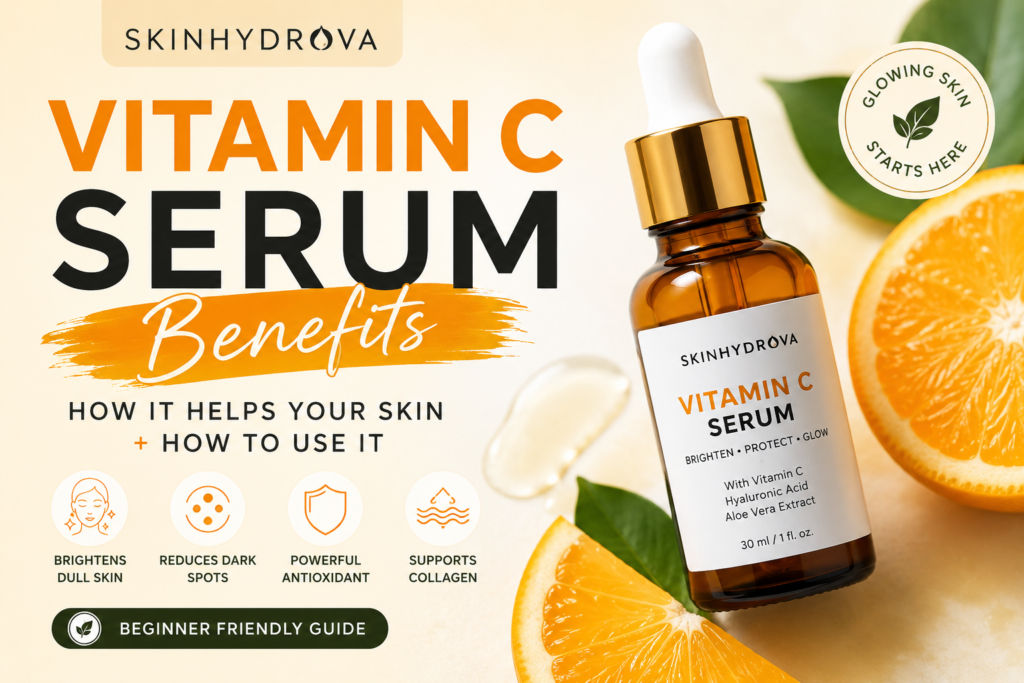
Vitamin C Serum Benefits: How It Helps Your Skin and How to Use It Introduction If you want brighter, healthier-looking skin, you have probably heard about the benefits of vitamin C serum. Vitamin C is one of the most popular ingredients in skincare because it offers antioxidant support and may help improve the appearance of uneven skin tone, pigmentation, and signs of photoaging. But knowing the benefits of vitamin C serum is only the beginning. Beginners also need to understand what vitamin C serum does, how to use it, when to apply it, and how to choose a product that fits their skin. In this guide, SkinHydrova explains everything in simple language. What Is Vitamin C Serum? Vitamin C serum is a skincare product formulated with vitamin C or a vitamin C derivative. One commonly studied form is L-ascorbic acid. Other formulas use vitamin C derivatives because pure vitamin C can be unstable in cosmetic formulations. Vitamin C is naturally involved in antioxidant activity and collagen production. When used topically, it is also studied for its effects on pigmentation and visible signs of sun-related skin changes. Why Is Vitamin C Important for Skin? The skin is exposed to environmental stress every day. Vitamin C acts as an antioxidant and is also involved in collagen synthesis, making it an interesting ingredient for a daily skincare routine. For beginners, the key takeaway is simple: Top Vitamin C Serum Benefits for Skin The popularity of vitamin C is largely connected to its antioxidant, collagen-supporting, and pigmentation-related properties. Research suggests topical vitamin C may improve some signs associated with photoaging and uneven pigmentation, although results can vary by formulation and individual skin. 1. Helps Brighten the Appearance of Skin One of the most searched vitamin C serum benefits is brighter-looking skin. Vitamin C can help create a more radiant appearance when used consistently. Instead of expecting an instant transformation, think of it as an ingredient that supports a more even and fresh-looking complexion over time. 2. Helps Reduce the Appearance of Dark Spots Another important part of vitamin C serum benefits is its potential effect on visible pigmentation. Vitamin C can influence melanin production, which is one reason it has been studied for discoloration and hyperpigmentation. Research reviews have found evidence of a lightening effect in some clinical settings. This can make vitamin C interesting for people concerned about: 3. Provides Antioxidant Protection Antioxidant protection is another major reason people look for vitamin C serum benefits. Topical vitamin C helps counter oxidative stress in the skin. It is particularly interesting in skincare because environmental factors, including ultraviolet exposure, can contribute to oxidative damage and visible photoaging. Remember that vitamin C serum is not a replacement for sunscreen. Daily sunscreen remains an important part of protecting your skin from UV exposure. 4. Supports Collagen Production Collagen helps provide structure and firmness to the skin. Vitamin C plays an important biological role in collagen production, which is why collagen support is included among the commonly discussed vitamin C serum benefits. With regular skincare, this makes vitamin C a popular choice for people who want to maintain a smoother, healthier-looking complexion. 5. Helps Improve Uneven-Looking Skin Tone Uneven skin tone can be caused by pigmentation, sun exposure, and other factors. Because vitamin C has pigmentation-related effects, one of the potential vitamin C serum benefits is helping the complexion look more balanced over time. A systematic review found evidence that topical vitamin C can have depigmenting effects, although long-term use may be necessary for noticeable changes. 6. Can Support Smoother-Looking Skin Some clinical research has reported improvements in the appearance of wrinkles and skin texture with topical vitamin C. However, results depend on the formulation, concentration, stability, and how consistently the product is used. This is why realistic expectations are important when exploring vitamin C serum benefits. Is Vitamin C Serum Suitable for Beginners? Yes, vitamin C can be introduced into a beginner-friendly skincare routine. However, every person’s skin is different. If you are new to active ingredients, start gradually and pay attention to how your skin responds. Vitamin C may be worth considering if you want: People with sensitive skin should be especially careful when introducing new products. How to Use Vitamin C Serum Correctly Understanding vitamin C serum benefits is useful, but using the product correctly is just as important. A simple routine can look like this: Step 1: Cleanse your face gently. Step 2: Apply a small amount of vitamin C serum to clean, dry skin. Step 3: Follow with your moisturizer. Step 4: Finish with sunscreen during the daytime. How Many Drops Should You Use? You generally do not need a large amount of serum. Follow the product’s instructions and use enough to spread a thin, comfortable layer across the intended area. Using more product does not automatically mean more vitamin C serum benefits. When Is the Best Time to Use Vitamin C Serum? Vitamin C serum is commonly used in a morning routine because of its antioxidant properties. It should still be followed by sunscreen during the day. A consistent routine is generally more useful than applying a large amount occasionally. How Often Should You Use Vitamin C Serum? Beginners can consider introducing the product gradually, especially if their skin is sensitive. Once your skin is comfortable with the product, follow the manufacturer’s directions for regular use. Can You Use Vitamin C Serum With Sunscreen? Yes. In fact, combining antioxidant skincare with daily sun protection is a sensible approach. However, vitamin C should never be considered a substitute for sunscreen. UV exposure remains one of the major contributors to photoaging, while vitamin C is studied for its antioxidant and photoprotective-supportive properties. For a simple daytime routine: Cleanser → Vitamin C Serum → Moisturizer → Sunscreen Vitamin C Serum Benefits at a Glance Skin Concern How Vitamin C May Help Beginner Tip Dull-looking skin Supports brighter-looking appearance Use consistently Dark spots May reduce the appearance of pigmentation Give it time Uneven skin tone

Scroll to Top